

Toronto real estate marketing feels like trying to talk at a Drake concert.
Everyone’s shouting. Listings everywhere. Open houses blending into each other. Portals flooded. Paid ads screaming “JUST LISTED” like that means anything anymore.
And yet… most agents still think the answer is more ads.
Look, I’ve seen this play out dozens of times. The agents who win long-term in Toronto aren’t the loudest. They’re the ones people already trust before they ever fill out a contact form. That trust doesn’t come from hard-selling. It comes from content marketing for real estate in Toronto done properly — slow, local, useful, specific.
Forget the billboard energy for a second.
Let’s talk about what actually moves the needle.
Why Content Marketing Matters in Toronto’s Real Estate Market
Toronto isn’t just “a big city market.” It’s a layered, chaotic, hyper-local beast.
Luxury condos downtown. Family homes in Etobicoke. Investment properties in Regent Park. Detached homes in Scarborough that suddenly spike because of transit news. The vibe in Rosedale is not the vibe in Liberty Village. Buyers are overwhelmed. Sellers are anxious. Investors are watching numbers like hawks.
This is where content marketing stops being “nice to have” and becomes essential.
Because people are Googling before they’re calling.
They’re searching “Is now a good time to buy in Toronto?” at midnight. They’re watching YouTube videos about land transfer tax while sitting on their couch. They’re reading blog posts about bidding wars after losing two already.
If your name isn’t showing up during that research phase, you don’t exist to them.
That’s the uncomfortable truth.

Understand Your Audience Deeply (Not Just Demographics)
Everyone says “know your audience.” Most people don’t.
Toronto’s population is wildly diverse — culturally, financially, generationally. A generic “buyers and sellers” approach is useless. You need to get specific. Painfully specific.
Picture this.
Sarah. 32. Tech professional. Budget around $800,000. Wants a downtown condo close to transit. She’s worried about condo fees creeping up, land transfer taxes shocking her at closing, and whether she’s buying at the top of the market.
Now picture Raj and Meena. Mid-40s. Selling in Scarborough. Two kids. They care about timing the sale right because they’re upgrading to a bigger home in Markham.
Different fears. Different motivations. Different content.
Content marketing for real estate in Toronto works best when it feels like it was written for one person, not everyone. Talk about condo board red flags. Break down bidding war psychology. Explain how property taxes vary by neighborhood. Get granular.
That’s what builds trust.
Boost Visibility with Local SEO (The Unsexy Advantage)
Let’s be honest — “Toronto real estate” is a brutal keyword. Everyone wants it. Everyone fights for it. Good luck.
Instead, go hyper-local.
“Best condos in Liberty Village.”
“Buying a home in Cabbagetown.”
“Is Roncesvalles good for families?”
“Detached homes near High Park under $1.5M.”
These are the searches that convert.
Optimize your Google Business Profile. Actually fill it out properly. Add neighborhood photos. Post updates. Encourage reviews — and respond like a human, not like a law firm.
I know a Toronto brokerage that started publishing neighborhood-specific blog posts — deep dives into areas like Roncesvalles and Leslieville — and saw a noticeable jump in traffic within months. Not because they gamed the system. Because they became useful.
Local SEO for Toronto real estate agents is boring until it’s not. Then suddenly your phone rings from someone who’s been reading your posts for six weeks.
That’s not luck. That’s positioning.

Create Problem-Solving Content (Because This Market Is Stressful)
Toronto’s housing market is not calm. It’s emotional.
High prices. Low inventory. Rate changes. New condo launches. Bidding wars that make people question their life choices.
So answer the real questions.
“How to win a bidding war in Toronto without overpaying.”
“What first-time buyers need to know about Toronto land transfer tax.”
“Is it smarter to buy pre-construction or resale in 2025?”
Make blog posts. Film quick explainer videos. Do breakdowns of actual scenarios (without violating privacy, obviously). Use tools like AnswerThePublic or just read Reddit threads — you’ll see what people are confused about in five minutes.
And don’t overcomplicate it.
Explain things clearly. Like you would to a friend at dinner.

Showcase Expertise with Market Insights (But Don’t Sound Like a Robot)
Here’s where most agents lose people.
They share stats. Charts. TRREB data. Median price this. Year-over-year that. And it’s technically correct. But it’s lifeless.
Instead, contextualize the data.
If Scarborough prices jumped 15% because of the Eglinton Crosstown LRT finally becoming real (after what felt like forever), explain why that matters. If downtown condo inventory is rising, explain what that means for negotiation power.
A monthly “Toronto Market Pulse” blog or video series can work really well. Keep it consistent. Keep it digestible. Add your opinion. Yes, your opinion. This drives me nuts — agents are scared to interpret the data. That interpretation is your value.
Anyone can copy stats.
Not everyone can explain what they actually mean.
Leverage Video for Engagement (Especially in Toronto)
Video is non-negotiable now. I resisted saying that for a while. I was wrong.
Buyers want to see properties before booking showings. They want to see neighborhoods. Street vibes. The coffee shop around the corner. The park. The school zone.
Drone footage helps. So do simple 30-second Instagram Reels. “Neighborhood Spotlight” videos can quietly build massive awareness over time. One Toronto realtor grew a following just by walking through areas like Leaside and explaining what kind of buyers typically move there.
Not cinematic. Not overproduced.
Just consistent.
And if you can capture testimonials — real stories like “How We Found Our Dream Home in Leaside” — that hits differently. Story beats stats almost every time.
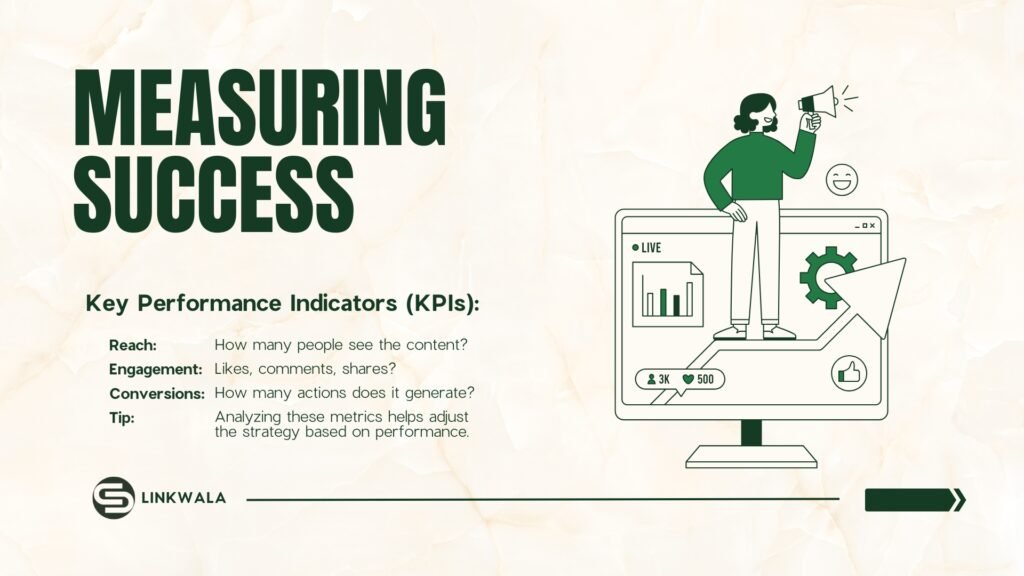
How to Track Your Results (Without Obsessing Over Vanity Metrics)
Okay. Measurement.
You don’t need a 40-tab dashboard. But you do need clarity.
Track website traffic in Google Analytics. Watch which neighborhood pages get the most time-on-page. Monitor social media engagement — not just likes, but saves and shares. Count email sign-ups. Track how many contact form submissions turn into actual clients.
And here’s something agents don’t talk about enough: branded search.
When people start Googling your name directly, that’s brand authority. That’s content marketing for real estate in Toronto doing its job.
Use tools like HubSpot or SEMrush if you want more detail. Or keep it simple. Just don’t fly blind.
Conclusion
Content marketing isn’t optional in Toronto’s real estate market anymore. It’s the long game. The positioning play. The trust-builder that works quietly while everyone else is chasing the next flashy listing.
Understand your audience. Go deep on neighborhoods. Use local SEO smartly. Create problem-solving content. Share real market insights. Lean into video. Measure what matters.
And stay consistent.
Because in a market this noisy, the agents who educate win.
The agents who just advertise?
They fade.